Best Stab-Proof Clothing UK for Security Professionals | StabApparel
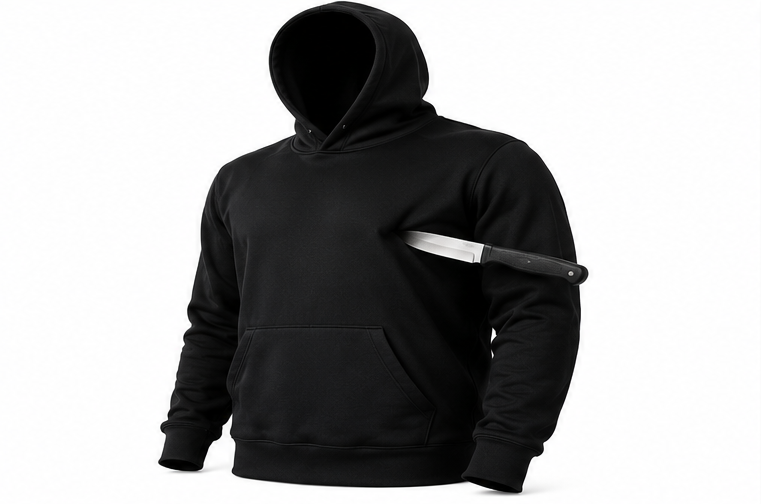
At StabApparel, the protective clothing range includes garments such as protective T-shirts, polo shirts, hoodies, jackets and waistcoats. The UK website provides different product options for customers considering protective clothing for professional and personal use. stabapparel.co.uk+2
This guide explains the principal considerations involved in selecting stab-resistant clothing in the UK. It examines garment types, protective performance, testing terminology, comfort, workplace considerations, purchasing decisions and the differences between protective clothing and conventional security uniforms.
It also explains how security companies can evaluate protective clothing for their teams and how individual buyers can explore the StabApparel range.
Table of Contents
- What Is Stab-Proof Clothing?
- Why Security Professionals Consider Stab-Resistant Clothing
- Best Types of Stab-Resistant Clothing for Security Professionals
- What Makes the Best Stab-Proof Clothing in the UK?
- UK Standards and Testing for Stab-Resistant Clothing
- How to Choose Stab-Resistant Clothing for Door Supervisors
- How to Choose Stab-Resistant Clothing for Security Guards
- Stab-Resistant Clothing for Security Companies
- Stab-Proof Clothing vs Ordinary Security Uniforms
- Stab-Resistant Clothing vs Body Armour
- Is Stab-Proof Clothing Comfortable Enough for Long Security Shifts?
- How Much Does Stab-Resistant Clothing Cost in the UK?
- Where to Buy Stab-Proof Clothing in the UK
- Save 15% on Stab-Resistant Clothing from StabApparel
- How to Care for Stab-Resistant Clothing
- Common Mistakes When Buying Stab-Proof Clothing
- Frequently Asked Questions
- Final Buying Recommendations

1. What Is Stab-Proof Clothing?
Stab-proof clothing is a commonly used term for garments designed to resist penetration from sharp-edged or pointed objects under specified testing conditions. In technical and purchasing discussions, the term stab-resistant clothing is generally more appropriate because it communicates resistance rather than an absolute guarantee against injury.
Protective garments may incorporate specialised fibres, reinforced fabrics, protective panels or engineered composite materials. Their construction differs from ordinary clothing, and their protective characteristics depend on the materials, design, manufacturing quality and testing carried out on the finished product.
For security professionals, the important question is not simply whether a garment is advertised as stab-proof. It is whether the product has documented performance relevant to the hazards identified in the occupational risk assessment.
What is the difference between stab-resistant and ordinary clothing?
Ordinary clothing is primarily designed around appearance, comfort, weather suitability and everyday wearability.
Stab-resistant clothing incorporates protective construction intended to provide resistance against specified sharp-object hazards. Depending on the garment, this may involve specialised textile layers or additional protective components.
A conventional T-shirt, polo shirt or hoodie should not be assumed to provide meaningful stab resistance simply because it is thick, tightly woven or made from a strong material.
Similarly, a protective garment should not automatically be considered equivalent to another protective garment simply because both use similar fibres.
The finished construction and relevant performance documentation matter.
Stab resistance versus cut resistance
Cut resistance and stab resistance are different protective characteristics.
Cut resistance relates to resistance against a blade moving across a material under particular test conditions. Stab resistance concerns penetration by a pointed or sharp object under specified conditions.
A textile can demonstrate resistance to cutting without necessarily providing the same resistance to penetration by a pointed object.
This distinction is particularly important when reviewing protective clothing specifications.
For example, StabApparel product descriptions include references to EN 388 cut-resistance performance. Such information should be interpreted according to the particular test performed and should not automatically be treated as evidence of independently verified stab resistance. stabapparel.co.uk+1
Buyers should request product-specific documentation that clearly identifies the protection being claimed.
Stab resistance versus puncture resistance
Puncture resistance is another term that requires careful interpretation.
A puncture test measures resistance against a specified penetrator under defined test conditions. The result depends on the test method, equipment and characteristics of the penetrator.
A garment’s puncture-resistance rating should not automatically be interpreted as proof that it will resist every knife, needle or pointed object.
The distinction is particularly relevant for security professionals because different hazards may require different protective equipment.
Why the term stab-proof requires caution
No protective garment should be described as guaranteeing complete safety against every stabbing incident.
Actual outcomes depend on factors including:
- The characteristics of the object involved.
- The force and direction of an impact.
- The area of the body affected.
- The construction and condition of the garment.
- The fit and positioning of protective components.
- The particular test conditions under which the garment was assessed.
Even clothing designed for protective purposes has limitations.
The most responsible approach is to treat stab-resistant clothing as one possible element of occupational risk management rather than a substitute for workplace safety procedures.
What materials are used in stab-resistant clothing?
Protective garments may incorporate specialised high-performance materials.
One material frequently discussed in protective textiles is UHMWPE, which stands for Ultra-High Molecular Weight Polyethylene.
UHMWPE is a high-performance polymer known for its strength-to-weight characteristics. Depending on the product construction, fibres made from this material can be incorporated into protective textile systems.
StabApparel lists UHMWPE fibre-reinforced composite materials in several of its protective clothing products, including its lightweight protective waistcoat and hoodie ranges. stabapparel.co.uk+1
However, the presence of UHMWPE alone does not establish a particular level of stab protection. Protective performance must be assessed using the finished garment’s construction and relevant test evidence.
What should buyers look for?
When researching protective clothing, security professionals should establish:
- What specific hazards the garment is intended to address.
- Whether its protective performance has been independently tested.
- Which test methods and standards were used.
- Whether the documentation applies to the finished garment.
- Which parts of the body are covered.
- What limitations the manufacturer identifies.
- Whether the garment meets workplace requirements.
- Whether the fit and construction are suitable for the intended wearer.
These considerations provide a more reliable foundation for purchasing decisions than marketing terminology alone.
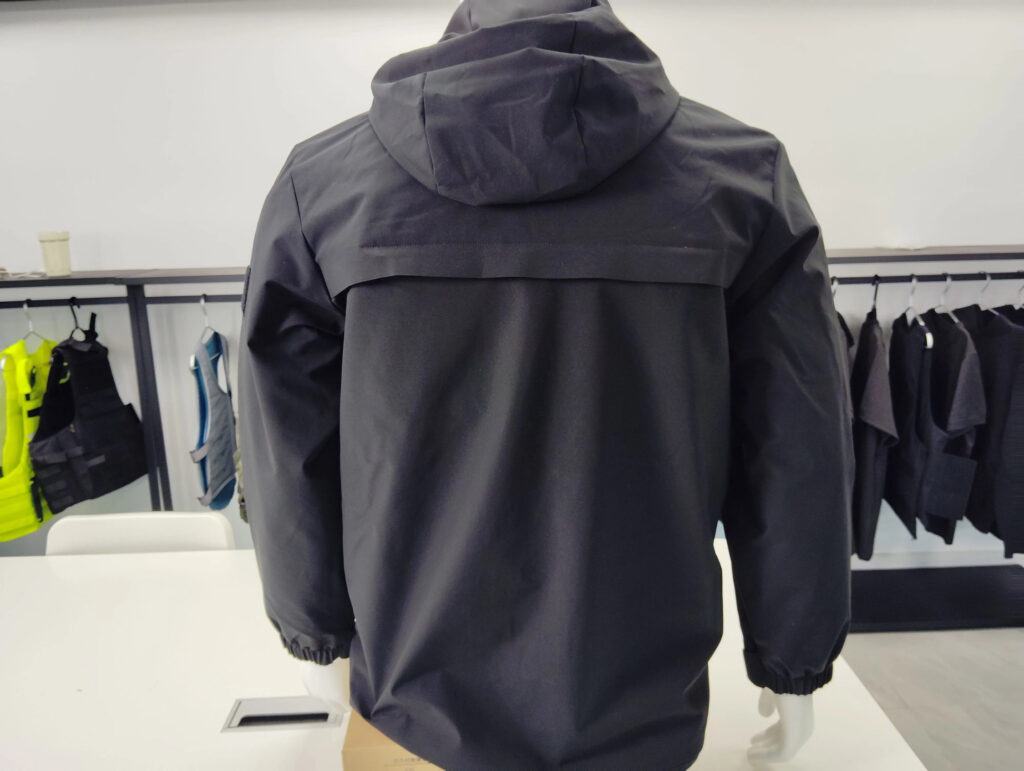
2. Why Security Professionals Consider Stab-Resistant Clothing
Security professionals work in a variety of environments, each with its own occupational risks and uniform requirements.
A door supervisor working in a busy nightlife environment may have different clothing requirements from a retail security officer, a static security guard or an event security team.
Protective clothing may be considered as part of a wider approach to occupational safety where risk assessments identify relevant hazards.
The decision should always be based on the actual working environment, employer requirements and documented product performance.
Door supervisors
Door supervisors may work in hospitality venues, pubs, bars, nightclubs and entertainment establishments.
Their responsibilities can involve:
- Managing entry to premises.
- Monitoring customer behaviour.
- Checking identification.
- Maintaining a safe environment.
- Responding to incidents.
- Communicating with management and emergency services.
- Supporting venue safety procedures.
These duties can require clothing that maintains a professional appearance while allowing comfortable movement throughout a shift.
Some door supervisors may consider protective polo shirts, T-shirts or other garments when reviewing occupational protective equipment.
The appropriate selection depends on the venue’s uniform policy, risk assessment and product specifications.
Security guards
Security guards operate across numerous sectors, including retail, corporate premises, construction sites, warehouses and residential developments.
Depending on the assignment, security personnel may spend significant periods standing, walking, monitoring CCTV, conducting patrols or interacting with members of the public.
For these roles, garment fit, comfort, temperature management and compatibility with the uniform can be important purchasing considerations.
A protective garment should not interfere with essential duties or conflict with workplace requirements.
Event security personnel
Event security teams may work at concerts, festivals, sporting events, exhibitions and public gatherings.
Their working environments can involve changing temperatures, long shifts, crowd management responsibilities and varying uniform requirements.
Protective clothing decisions should take account of:
- Event-specific risk assessments.
- Employer procedures.
- Required uniform appearance.
- Environmental conditions.
- Mobility requirements.
- Appropriate protective coverage.
Where multiple employees require clothing, consistency in sizing, appearance and procurement can also become important.
Retail security officers
Retail security officers may work in shopping centres, supermarkets, department stores and individual retail premises.
Their responsibilities can include:
- Monitoring customer activity.
- Deterring theft.
- Supporting store safety.
- Reporting incidents.
- Working with colleagues and management.
- Maintaining a visible professional presence.
Retail environments may have specific expectations about appearance, branding and uniform presentation.
Protective clothing should be considered alongside those requirements rather than selected independently of them.
Private security companies
For private security companies, protective clothing can be part of a wider procurement and workforce management decision.
Managers may need to evaluate garment suitability across multiple employees, including:
- Different body sizes.
- Different assignments.
- Indoor and outdoor environments.
- Uniform requirements.
- Staff comfort.
- Product documentation.
- Replacement and maintenance arrangements.
- Budget constraints.
A consistent purchasing process helps organisations make informed decisions and maintain clear records of the equipment provided to employees.
Protective clothing is not a substitute for risk management
An important principle applies across all security occupations.
Protective clothing should not replace:
- Occupational risk assessments.
- Staff training.
- Incident reporting.
- Emergency procedures.
- Conflict management training.
- Appropriate staffing.
- Communication systems.
- Employer safety policies.
The College of Policing emphasises the importance of matching personal protective equipment to role-specific risks. Although its guidance concerns policing, the underlying risk-assessment principle is relevant when organisations evaluate protective equipment for occupational use. college.police.uk+1
For private security companies, equipment selection should remain consistent with applicable workplace responsibilities and professional procedures.
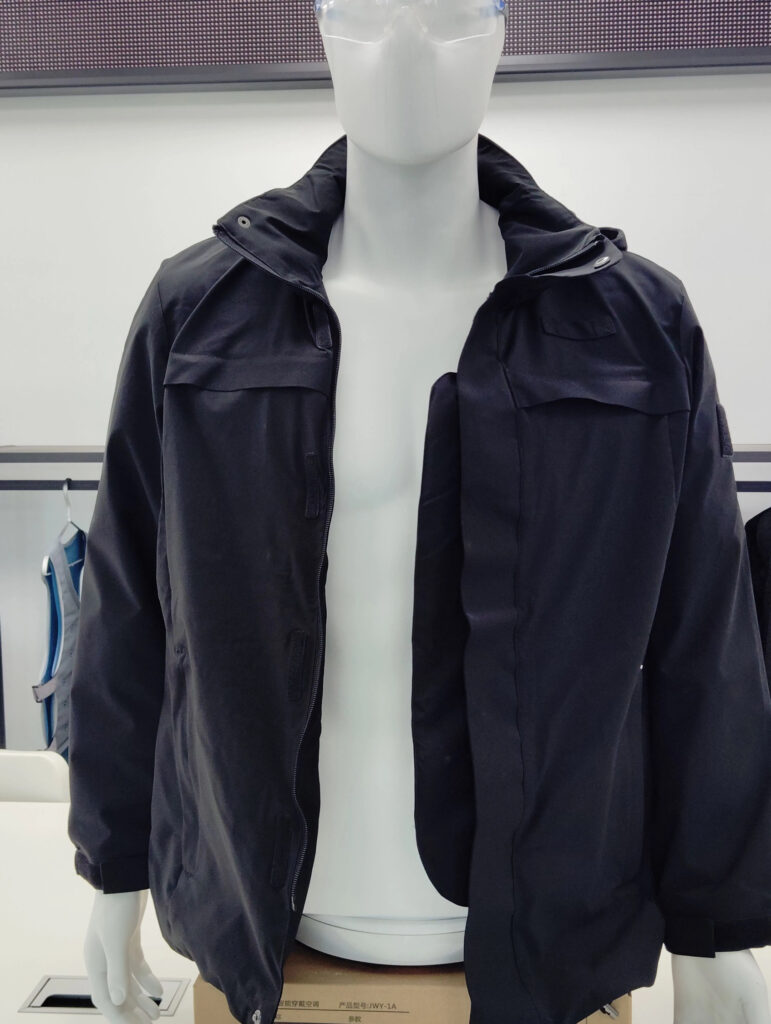
3. Best Types of Stab-Resistant Clothing for Security Professionals
Protective clothing is available in several garment styles.
The best option depends on the wearer’s requirements, uniform policy, intended use, comfort preferences and verified protective performance.
The following sections compare common garment categories and explain the principal considerations when evaluating them.
Stab-resistant T-shirts
Protective T-shirts may appeal to security professionals who prefer a familiar garment style.
A T-shirt can be suitable for environments where a simple uniform appearance is preferred, subject to employer approval and the garment’s specifications.
Potential considerations include:
- Garment fit.
- Comfort during extended wear.
- Compatibility with other uniform components.
- Coverage provided by the garment.
- Protective construction.
- Manufacturer care instructions.
- Available sizes and colours.
A T-shirt’s appearance does not establish its protective performance.
Security professionals should review the actual product specifications and testing documentation before deciding whether it is suitable for their role.
Explore: StabApparel protective T-shirts and clothing
Stabproof Polo shirts
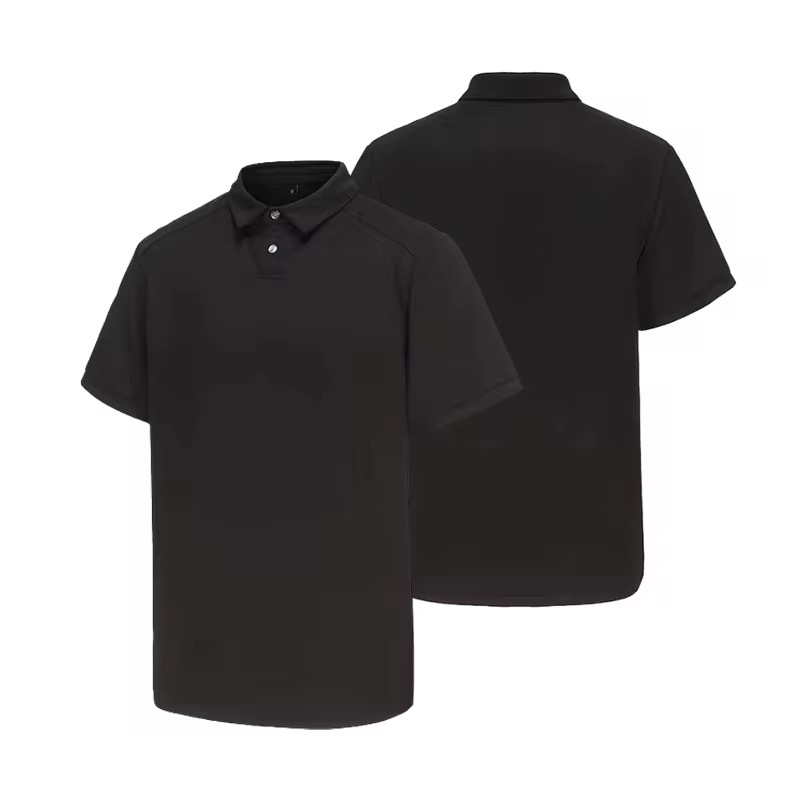
Polo shirts are a familiar choice for many professional security uniforms.
Their collar and conventional appearance can make them suitable for workplaces that require a smart, consistent presentation.
When evaluating a protective polo shirt, buyers should consider:
- Appearance and uniform compatibility.
- Fit around the shoulders and torso.
- Comfort during long shifts.
- Sleeve length and garment coverage.
- Breathability.
- Protective construction.
- Relevant test documentation.
- Sizing availability.
StabApparel lists a lightweight protective polo shirt incorporating UHMWPE fibre and Coolmax fibre in its product range. Its product listing states a weight of 0.65 kg and references EN 388 cut-resistance performance. Those details should be checked against the selected product variant and current product documentation. stabapparel.co.uk
The distinction between cut resistance and stab resistance remains important when assessing the product’s intended protective use.
Explore: StabApparel lightweight protective polo shirt.

Stab-resistant hoodies
Protective hoodies may be considered by security professionals working outdoors or in environments where casual uniform styles are acceptable.
Potential purchasing considerations include:
- Garment weight.
- Fit.
- Layering.
- Comfort.
- Sleeve construction.
- Hood design.
- Coverage.
- Weather suitability.
- Employer uniform requirements.
- Protective documentation.
A hoodie may be suitable for some assignments but inappropriate for others, depending on the organisation’s uniform policy.
StabApparel offers hoodie options described as lightweight protective garments, including products listing UHMWPE fibre-reinforced composite construction. stabapparel.co.uk+1
Buyers should distinguish between the specific product variants and review the relevant specifications before purchasing.
Explore: StabApparel lightweight protective hoodie.
Stab-resistant jackets
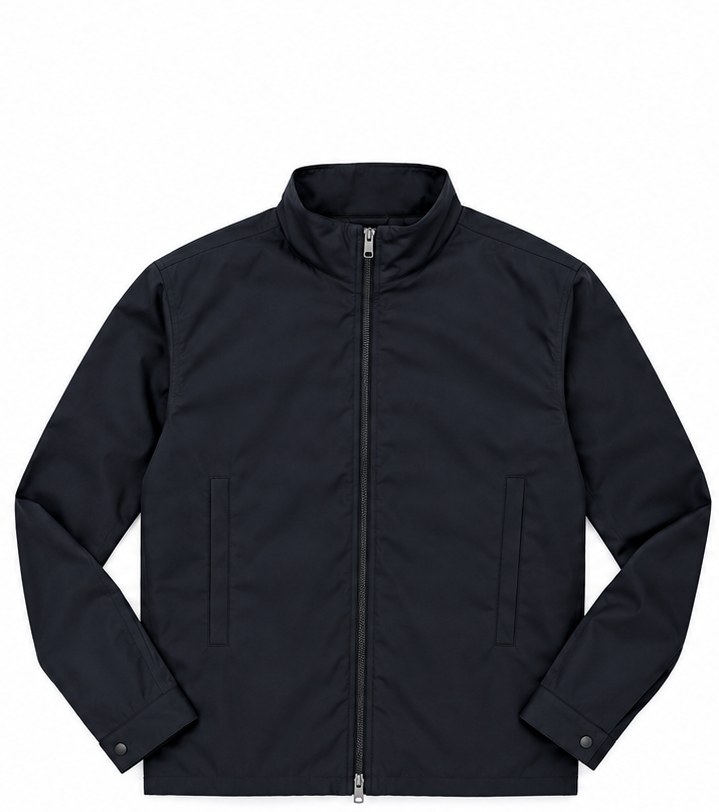
Protective jackets may be considered where outerwear is required.
Security professionals working outdoors may need to evaluate clothing alongside weather conditions, uniform requirements and other equipment.
Important considerations include:
- Outer garment construction.
- Fit over other clothing.
- Movement.
- Coverage.
- Weight.
- Weather suitability.
- Compatibility with workplace uniforms.
- Product-specific protective specifications.
A jacket should not automatically be assumed to offer greater protection than a T-shirt or polo shirt.
The garment’s protective performance depends on its design, materials, coverage and testing evidence.
StabApparel lists lightweight protective jackets within its clothing range. stabapparel.co.uk+1
Explore: StabApparel protective jacket.
Stab-resistant waistcoats
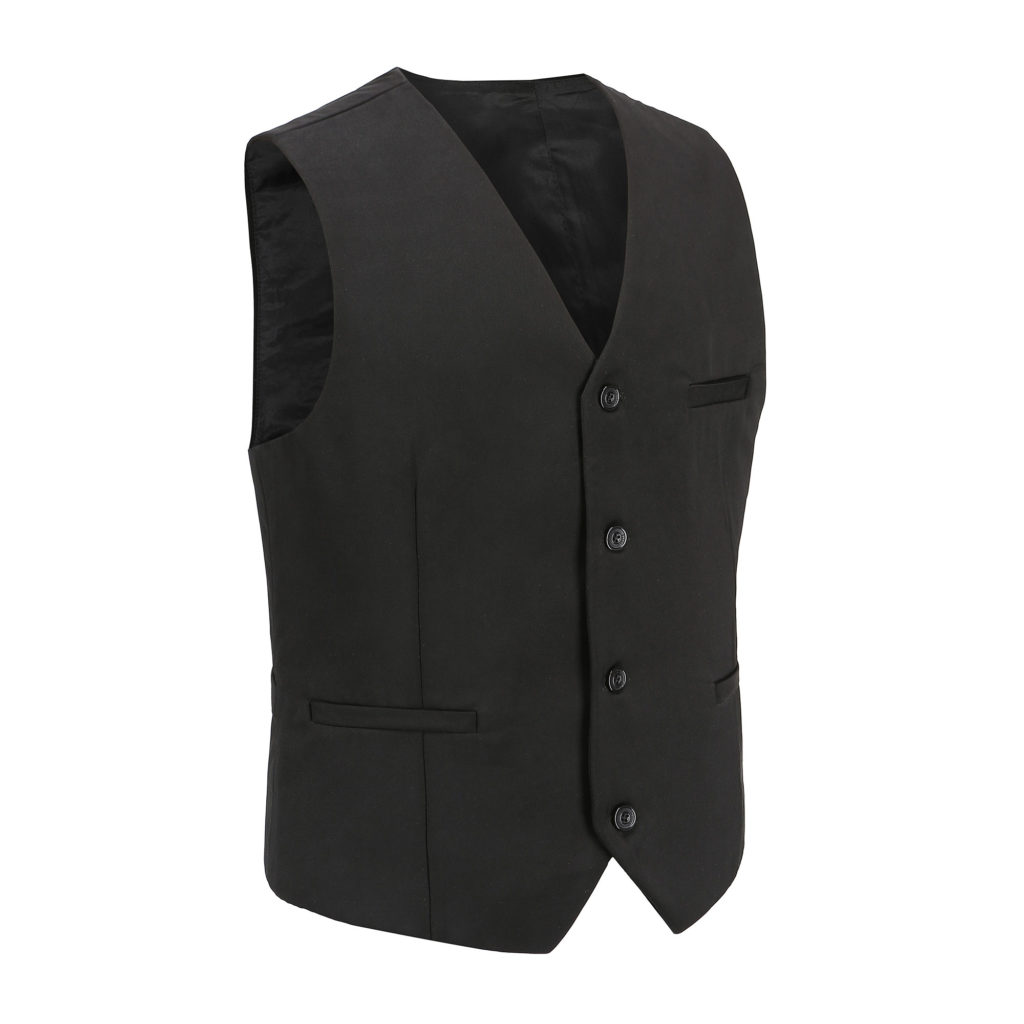
Protective waistcoats may appeal to buyers who prefer a separate garment rather than a protective layer incorporated into a shirt or hoodie.
Potential considerations include:
- Fit over or beneath other garments.
- Coverage.
- Weight.
- Comfort.
- Compatibility with uniform components.
- Sizing.
- Maintenance.
- Documentation of protective performance.
StabApparel lists a lightweight stab-resistant waistcoat made using UHMWPE fibre-reinforced composite material. Its product listing specifies a weight of 0.65 kg and provides sizing information. These details should be confirmed for the chosen variant. stabapparel.co.uk
Explore: StabApparel lightweight protective waistcoat.
Which garment type is best?
There is no universally best garment style for every security professional.
| Garment | Main purchasing consideration |
|---|---|
| Protective T-shirt | Familiar appearance and uniform compatibility |
| Protective polo shirt | Smart professional presentation |
| Protective hoodie | Casual uniform requirements and comfort |
| Protective jacket | Outerwear and environmental suitability |
| Protective waistcoat | Separate protective garment and fit |
The appropriate choice depends on the assessed risks, workplace requirements and documented protective performance.
A garment should never be selected solely because it looks protective or is described as lightweight.
4. What Makes the Best Stab-Proof Clothing in the UK?
When comparing stab-resistant clothing, security professionals should evaluate several factors together. Protective performance is essential, but fit, comfort, coverage and suitability for the working environment also influence whether a garment is appropriate.
The following buying criteria provide a practical framework for evaluating protective clothing.
Verified protective performance
The most important consideration is whether the garment’s protective performance has been adequately documented.
Buyers should ask:
- What specific protection is the garment designed to provide?
- Which test methods have been used?
- Was the finished garment tested, or only a material sample?
- Is the test report available?
- Does the report identify the test conditions?
- Are the results relevant to the intended occupational hazards?
- Are there stated limitations?
A supplier’s statement that a garment is stab-proof should not replace technical documentation.
Comfort and breathability
Comfort is particularly important for security professionals working extended shifts.
A garment that is uncomfortable may become difficult to wear consistently, particularly during physically demanding assignments or in warmer environments.
When evaluating comfort, consider:
- The garment’s fabric.
- Its construction.
- Its weight.
- Its fit.
- The wearer’s temperature requirements.
- The working environment.
- The manufacturer’s guidance on layering.
Breathability should be evaluated as a practical characteristic, not assumed from the material name alone.
Mobility and flexibility
Security professionals may need to walk, stand, sit, reach, bend or perform other routine occupational movements.
Protective clothing should be evaluated for its suitability during these activities.
Consider whether the garment:
- Fits appropriately around the shoulders.
- Allows comfortable arm movement.
- Restricts movement around the torso.
- Is compatible with other uniform components.
- Can be worn without interfering with normal duties.
Fit should be assessed using the manufacturer’s sizing guidance.
Garment weight
Weight can influence comfort during extended wear.
However, a lightweight garment is not automatically more suitable or more protective than a heavier garment.
Buyers should consider weight alongside:
- Protective performance.
- Coverage.
- Construction.
- Comfort.
- Fit.
- Intended use.
Comparisons should use verified product weights rather than assumptions based on appearance.
Coverage
Coverage is another important consideration.
Different garment styles cover different areas of the body. A T-shirt, jacket and waistcoat will not necessarily provide identical coverage.
Buyers should examine:
- The areas covered by the garment.
- The positioning of protective components.
- The areas that remain uncovered.
- The fit when worn.
- The manufacturer’s stated limitations.
No clothing garment should be assumed to protect every part of the body.
Discreet appearance
Some security professionals prefer protective garments that resemble conventional workwear.
This may be relevant where workplace uniforms require a particular appearance.
Discreet appearance should not, however, take priority over suitability or verified protective performance.
Construction and durability
Protective clothing should be evaluated for its construction and expected maintenance requirements.
Buyers may wish to review:
- Stitching.
- Seams.
- Material composition.
- Protective component placement.
- Manufacturer care instructions.
- Inspection requirements.
- Product warranty information.
- Replacement recommendations.
Durability claims should be supported by manufacturer information or relevant testing rather than assumptions.
Fit and sizing
Correct sizing is important for both comfort and garment suitability.
A garment that is too tight or too loose may affect comfort, movement or the positioning of protective components.
Before purchasing, review:
- The manufacturer’s size chart.
- Available sizes.
- Chest and torso measurements.
- Garment length.
- Fit recommendations.
- Any product-specific sizing guidance.
If the garment is intended for workplace use, consider whether staff need assistance selecting appropriate sizes.
Maintenance
Protective clothing may have specific cleaning, storage and inspection requirements.
These requirements should be reviewed before purchase.
A buyer should understand:
- Whether machine washing is permitted.
- Whether protective components can be removed.
- How the garment should be stored.
- What damage should be reported.
- When the manufacturer recommends replacement.
Maintenance instructions should always be product-specific.
5. UK Standards and Testing for Stab-Resistant Clothing
Testing and standards are important when purchasing protective clothing, particularly where products are intended for occupational use.
However, buyers must understand that different standards cover different equipment categories and protective characteristics.
A reference to a British Standard does not automatically mean that a particular garment has been tested against that standard.
Understanding BS 7971
BS 7971 is a series of standards covering protective clothing and equipment for use in violent situations and training.
An important distinction is that BS 7971-3:2002 concerns personal defence shields, rather than stab-resistant clothing shirts or hoodies. landingpage.bsigroup.com+1
It would therefore be incorrect to present BS 7971-3 as a clothing certification standard for protective T-shirts, polo shirts or hoodies.
Buyers should identify the specific standard and its scope before interpreting a supplier’s claim.
Understanding HOSDB and UK body armour testing
HOSDB publications have historically provided testing and performance specifications for protective equipment used by UK police.
For example, HOSDB 39-07-C relates to knife and spike resistance for UK police body armour. The College of Policing references this publication when discussing stab protection and body armour. college.police.uk+1
This should not be confused with a universal certification scheme for all commercially available protective clothing.
The suitability of a particular test method depends on the product category and the protection being claimed.
Understanding EN 388
EN 388 relates to protective gloves and mechanical risks, including abrasion, cut, tear and puncture resistance.
StabApparel product descriptions refer to EN 388 cut-resistance ratings for certain garments. Such references should be interpreted carefully and in accordance with the actual test documentation.
A cut-resistance result is not interchangeable with a dedicated knife-stab or spike-stab test.
Where a supplier refers to EN 388, buyers should request clarification about:
- The specific test performed.
- The material or garment tested.
- The test edition.
- The result.
- The protection that the result actually demonstrates.
What documentation should buyers request?
For occupational protective clothing, buyers should seek clear, product-specific documentation.
A useful checklist includes:
| Documentation | Why it matters |
|---|---|
| Product specification | Identifies construction, materials and intended use |
| Test report | Explains testing performed and results |
| Test standard | Identifies the method used |
| Test laboratory | Helps establish the source of the test |
| Product identification | Connects documentation to the garment purchased |
| Limitations | Explains what the garment does not protect against |
| Care instructions | Helps maintain garment condition |
| Manufacturer guidance | Supports appropriate use and maintenance |
For business purchases, this documentation may also assist procurement and equipment records.
Laboratory testing and real-world performance
Laboratory testing evaluates a product under defined conditions.
Real-world incidents can involve different conditions, objects, forces, angles and circumstances.
Consequently, a laboratory result should not be interpreted as a guarantee of protection in every incident.
The correct approach is to understand the test, its scope and limitations, and how the product’s documented performance relates to the intended occupational use.
Questions to ask a supplier
Before purchasing protective clothing, ask:
- What protective performance is claimed?
- Which test standard or method supports that claim?
- Is the test report available?
- Does the report relate to the finished garment?
- What areas of the body are covered?
- What limitations are identified?
- What maintenance instructions apply?
- Is the product suitable for the intended workplace requirements?
These questions can help buyers make more informed purchasing decisions.
6. How to Choose Stab-Resistant Clothing for Door Supervisors
Door supervisors operate in environments where professional appearance, customer interaction and workplace safety are all important considerations.
Choosing protective clothing should therefore involve more than selecting a garment that looks suitable.
Consider the venue’s uniform requirements
Different venues may require different uniform styles.
Some may prefer a formal appearance, while others may permit polo shirts, T-shirts or outerwear.
Before purchasing protective clothing, door supervisors should check:
- Employer uniform policy.
- Venue requirements.
- Branding requirements.
- Permitted colours.
- Garment styles.
- Requirements for other uniform components.
A protective garment should be compatible with the organisation’s policies.
Evaluate comfort during long shifts
Door supervisors may spend extended periods standing or moving between indoor and outdoor areas.
Comfort considerations include:
- Fit.
- Weight.
- Breathability.
- Temperature.
- Garment construction.
- Movement.
Where possible, buyers should review sizing guidance and product specifications before ordering.
Review coverage and protective performance
The protective characteristics of a garment should be considered separately from its appearance.
A polo shirt and a waistcoat may have different coverage and construction.
Door supervisors should review product documentation and understand the areas that are covered and those that remain exposed.
Consider mobility
The garment should be suitable for normal occupational movement.
Buyers should evaluate whether it is comfortable during routine duties and whether it is compatible with other equipment or uniform items.
Follow workplace risk assessments
Protective clothing decisions should reflect the actual working environment.
Employers should assess relevant hazards and determine what equipment is appropriate.
Protective clothing should be considered alongside training, communication, staffing and incident procedures.
A practical buying checklist for door supervisors
Before purchasing, confirm:
- The garment is permitted by the employer.
- The size is appropriate.
- The protective performance is documented.
- The coverage is understood.
- The garment is suitable for the working environment.
- The maintenance requirements are clear.
- The product is compatible with the uniform.
- The limitations are understood.
These steps help make clothing selection more systematic.
7. How to Choose Stab-Resistant Clothing for Security Guards
Security guards work across different environments, and the most suitable clothing depends on the assignment.
Static security assignments
Static security officers may work at entrances, reception areas, offices, warehouses or other premises.
Their clothing requirements may prioritise:
- Professional appearance.
- Comfort while standing or sitting.
- Fit.
- Uniform compatibility.
- Appropriate coverage.
- Product documentation.
Retail security
Retail security officers may work in stores and shopping centres where uniform presentation and interaction with customers are important.
Protective clothing should be evaluated alongside the employer’s appearance requirements and relevant workplace risk assessments.
Event security
Event security staff may work outdoors, indoors or across multiple environments.
Considerations may include:
- Temperature.
- Weather.
- Shift duration.
- Uniform consistency.
- Mobility.
- Fit.
- Appropriate protective equipment.
Where teams are involved, employers should ensure that clothing is suitable for the duties and that staff understand its limitations.
Hospitality security
Hospitality security officers may work in venues with specific dress requirements.
Protective garments should be compatible with the venue’s uniform policy and the professional appearance expected of staff.
Corporate security
Corporate security roles may require smart business clothing or formal uniforms.
Protective clothing selection should consider the required appearance and whether garments can be incorporated appropriately into the uniform.
Mobile security
Mobile security assignments may involve movement between locations and varying environmental conditions.
Fit, comfort, clothing layers and maintenance requirements can be particularly relevant.
Matching clothing to the assignment
There is no single protective garment that is automatically suitable for every security role.
The correct selection should be based on:
- Occupational hazards.
- Employer requirements.
- Product specifications.
- Comfort.
- Coverage.
- Fit.
- Maintenance.
- Appropriate training and procedures.
8. Stab-Resistant Clothing for Security Companies
Security companies may need to purchase protective clothing for individual employees, teams or multiple assignments.
Unlike individual buyers, business purchasers often need to consider procurement, sizing, uniform consistency, documentation and replacement arrangements together.
Establish the organisation’s requirements
Before purchasing protective clothing, identify:
- Which employees require equipment.
- The roles and assignments involved.
- Relevant occupational hazards.
- Uniform requirements.
- The protective characteristics required.
- The budget.
- Procurement procedures.
The purchasing decision should be informed by workplace risk assessments rather than simply selecting products from a catalogue.
Maintain a consistent professional appearance
Uniform consistency can be important for security organisations.
When evaluating protective clothing, consider:
- Colour.
- Garment style.
- Branding.
- Sizing.
- Availability of replacement garments.
- Compatibility with existing uniform items.
Where appropriate, businesses may wish to explore customised clothing options.
Manage staff sizing
Purchasing for multiple employees requires a practical sizing process.
A company should consider:
- Collecting accurate measurements.
- Reviewing manufacturer size charts.
- Confirming garment variants.
- Recording sizes.
- Allowing for fitting or exchange arrangements where available.
Sizing requirements should be confirmed before placing larger orders.
Review supplier documentation
Business buyers should request product documentation relevant to the intended use.
This may include:
- Product specifications.
- Protective performance documentation.
- Test reports.
- Care instructions.
- Warranty information.
- Manufacturer recommendations.
- Product limitations.
Documentation should be retained in accordance with the organisation’s procurement and equipment management procedures.
Plan for replacement and maintenance
Protective clothing may require inspection, cleaning or replacement.
Businesses should establish suitable procedures for:
- Routine inspection.
- Damage reporting.
- Cleaning.
- Storage.
- Replacement.
- Staff instructions.
- Equipment records.
The manufacturer’s guidance should inform these procedures.
Evaluate purchasing costs
When purchasing for a team, organisations should consider the total purchasing requirement rather than only the price of one garment.
Relevant factors include:
- Number of employees.
- Number of garments per employee.
- Size distribution.
- Garment categories.
- Replacement requirements.
- Maintenance.
- Delivery arrangements.
- Budget.
Any bulk purchasing arrangements should be confirmed directly with the supplier.
Business enquiries to StabApparel
StabApparel offers a range of protective clothing, including polo shirts, T-shirts, hoodies, jackets and waistcoats. Its website also includes information about customised protective uniform options. stabapparel.co.uk+1
Security companies considering protective clothing for their workforce can review the available range and contact the supplier regarding their requirements.
Looking for protective clothing for your security team?
Explore the StabApparel protective clothing range and identify suitable garments for your organisation’s requirements.Explore StabApparel ClothingExplore Protective Company Uniforms
9. Stab-Proof Clothing vs Ordinary Security Uniforms
Ordinary security uniforms and protective clothing serve different purposes.
A conventional security uniform is primarily designed for professional appearance, identification, comfort and suitability for workplace duties.
Protective clothing incorporates additional construction intended to provide resistance against specified hazards.
The distinction matters because ordinary workwear should not be assumed to provide stab resistance.
Key differences
| Feature | Ordinary security uniform | Protective clothing |
|---|---|---|
| Primary purpose | Professional appearance and workwear | Intended protective performance alongside garment functions |
| Construction | Conventional clothing materials | May incorporate specialised protective materials or components |
| Protective claims | Not necessarily designed for sharp-object resistance | Should be supported by relevant product documentation |
| Testing | May not have protective testing | Protective performance should be verified |
| Coverage | Depends on garment style | Depends on garment style and protective construction |
| Purchasing considerations | Uniform requirements, fit and comfort | Uniform requirements, fit, comfort, coverage and protective evidence |
Can protective clothing look like a normal uniform?
Yes. Protective garments can be manufactured in familiar clothing styles, including polo shirts, T-shirts, hoodies and jackets.
However, a conventional appearance does not establish protective performance.
Buyers should examine the product’s specifications and testing evidence.
Can ordinary uniforms be worn over protective clothing?
This depends on the garment design, fit, manufacturer guidance and workplace requirements.
If protective clothing is intended to be worn underneath another garment, buyers should confirm that the combination is suitable.
Layering should not compromise the positioning, fit or intended performance of protective components.
10. Stab-Resistant Clothing vs Body Armour
Stab-resistant clothing and body armour are related but distinct categories of protective equipment.
The term body armour is commonly associated with protective garments designed and tested for particular ballistic or edged-weapon threats.
Some body armour systems provide combined protection against multiple threat types. Others are designed for a specific purpose.
The key is to understand the protection actually provided by the product.
Stab-resistant clothing
Stab-resistant clothing may be incorporated into familiar garment styles.
Its protective characteristics depend on the materials, construction, coverage and relevant testing.
Ballistic body armour
Ballistic body armour is designed to provide resistance against specified ballistic threats under particular test conditions.
A ballistic rating does not automatically establish resistance to every knife or spike threat.
Likewise, stab resistance does not automatically establish ballistic protection.
Combined protection
Some body armour products are designed to provide both ballistic and edged-weapon protection.
The College of Policing describes UK body armour standards that can combine ballistic and stab protection, with different protection levels and product requirements. college.police.uk+1
Such products should be evaluated according to their specific documentation and intended use.
Comparison table
| Category | Principal consideration |
|---|---|
| Stab-resistant clothing | Resistance against specified sharp-object threats |
| Ballistic body armour | Resistance against specified ballistic threats |
| Combined body armour | Documented protection against selected ballistic and edged-weapon threats |
| Ordinary uniform | Workwear and professional appearance |
Security professionals should not assume that one category can replace another.
The appropriate equipment depends on the hazards identified in the occupational risk assessment.
11. Is Stab-Proof Clothing Comfortable Enough for Long Security Shifts?
Comfort is an important consideration when evaluating protective clothing for occupational use.
Security professionals may wear uniforms for extended periods, making fit, weight and temperature particularly relevant.
However, comfort is subjective, and the experience of wearing a garment can vary between individuals.
Garment weight
A garment’s weight may affect how it feels during extended wear.
When comparing products, check the manufacturer’s stated weight and confirm whether it applies to the complete garment or a particular component.
Do not assume that two garments with similar weights have equivalent construction or protective performance.
Breathability
Breathability may influence comfort, particularly in warm environments.
Consider:
- Fabric composition.
- Garment construction.
- Ventilation.
- Layering.
- Working temperature.
- Shift duration.
Manufacturer descriptions such as breathable should be interpreted as product characteristics rather than guarantees of comfort in every environment.
Fit
Correct sizing helps the garment sit appropriately and allows comfortable movement.
Review the size chart and manufacturer recommendations before purchasing.
Temperature management
Security professionals may work indoors, outdoors or across changing environments.
Clothing choices should reflect the conditions in which the garment will be worn.
Where layering is required, confirm that it is compatible with the protective garment’s instructions.
Mobility
The garment should be appropriate for normal occupational activities.
Buyers should evaluate whether the design allows comfortable movement and whether it interferes with other uniform components.
How to assess comfort before buying
Where possible:
- Review the product’s measurements.
- Check the garment weight.
- Read the manufacturer’s fit guidance.
- Review the care instructions.
- Confirm whether layering is permitted.
- Consider the working environment.
- Check the available size options.
Comfort is important, but it should be evaluated alongside protective performance and suitability.
12. How Much Does Stab-Resistant Clothing Cost in the UK?
The cost of stab-resistant clothing varies according to garment type, construction, materials, protective characteristics and supplier.
For buyers, comparing products requires more than looking at the lowest price.
What affects the price?
The following factors can influence the cost of protective clothing.
Garment type
T-shirts, polo shirts, hoodies, jackets and waistcoats may have different construction and pricing.
Materials
Specialised textiles and protective components may influence production costs.
Construction
Garment design, layers, protective panels and manufacturing processes can affect pricing.
Protective performance
The product’s intended protection and supporting testing documentation should be considered when evaluating value.
Coverage
Different garment designs provide different coverage and may have different construction requirements.
Sizing and availability
Available sizes, product variants and manufacturing arrangements may affect purchasing options.
Supplier support
Product documentation, customer support and after-sales information are relevant considerations.
StabApparel UK product prices
The following prices were visible in StabApparel’s UK product listings when researched for this article. They should be checked again before publication because prices and product variants can change.
| Product | Listed price |
|---|---|
| Protective polo shirt | £285–£320 |
| Protective T-shirt | £285–£330 |
| Protective long-sleeve shirt | £289.99–£450 |
| Protective hoodie | £299.99–£499 |
| Protective jacket | £550–£589 |
| Protective waistcoat | £299.99 |
stabapparel.co.uk+4
These prices represent the displayed product ranges rather than a universal market price for protective clothing.
Should security professionals choose the cheapest garment?
Price should be considered alongside suitability, documented protective performance, fit, coverage and maintenance.
A lower price does not automatically mean a product is unsuitable, just as a higher price does not automatically establish superior protective performance.
The important objective is to select clothing that meets the relevant requirements and is supported by appropriate documentation.
What should businesses budget for?
Security companies purchasing protective clothing should consider:
- The number of employees.
- The number of garments required.
- The garment types.
- Sizes.
- Replacement requirements.
- Maintenance.
- Procurement arrangements.
- Available budget.
For larger orders, contact the supplier directly to confirm pricing and availability.
13. Where to Buy Stab-Proof Clothing in the UK
When buying stab-resistant clothing, security professionals should evaluate the supplier as well as the garment.
A suitable supplier should provide clear product information and enable buyers to understand the clothing they are purchasing.
What should a supplier provide?
Look for:
- Clear product descriptions.
- Accurate sizing information.
- Relevant material specifications.
- Transparent protective performance claims.
- Product testing information where applicable.
- Care instructions.
- Product availability.
- Ordering information.
- Customer support.
Where the product is intended for occupational use, technical documentation is particularly important.
Why product information matters
Protective clothing can differ significantly in construction and performance.
A detailed product description helps buyers understand:
- What the garment is made from.
- What protection is claimed.
- What testing has been performed.
- What the garment covers.
- What limitations apply.
- How the garment should be maintained.
These details support more informed purchasing decisions.
StabApparel protective clothing
StabApparel offers protective clothing through its UK website.
The range includes:
- Protective T-shirts.
- Protective polo shirts.
- Protective hoodies.
- Protective jackets.
- Protective waistcoats.
- Long-sleeve protective shirts.
The products include different material constructions and garment options. Buyers should review each individual product listing and its documentation rather than assuming every product has identical characteristics.
Explore the StabApparel protective clothing collection
Review available garments, product descriptions and sizing information.Shop Protective ClothingExplore T-Shirts and Hoodies
14. Save 15% on Stab-Resistant Clothing from StabApparel
Security professionals researching protective clothing can explore the StabApparel range and take advantage of the advertised 15% discount.
Whether you are considering a protective T-shirt, polo shirt, hoodie, jacket or waistcoat, reviewing the available options is a useful starting point when evaluating clothing for your requirements.
Why shop StabApparel?
StabApparel provides a range of protective clothing styles for customers considering garments for professional and personal use.
The collection includes familiar clothing designs that can be evaluated alongside workplace requirements, product specifications and sizing guidance.
For individual buyers, the available garments provide options to compare.
For security companies, the range can be reviewed as part of a wider uniform and procurement process.
Get 15% off your StabApparel purchase
15% OFF
Save 15% at StabApparel
Looking for protective clothing? Explore StabApparel and enjoy the advertised 15% discount on your purchase.Shop StabApparel & Get 15% Off
Confirm the current discount code or offer mechanism and applicable terms before publication.
Choosing the right product
Before ordering, consider:
- Which garment style suits your uniform?
- What size do you require?
- What protective performance is documented?
- What coverage is provided?
- What are the garment’s limitations?
- What maintenance is required?
- Does the product meet your workplace requirements?
The discount should be an additional purchasing benefit, not the only reason for choosing protective clothing.
Shop StabApparel and get 15% off your purchase.

15. How to Care for Stab-Resistant Clothing
Protective clothing requires appropriate care to maintain its condition.
Unlike ordinary workwear, some protective garments may incorporate specialised materials or components that have particular cleaning and storage requirements.
The manufacturer’s instructions should always take priority over general clothing-care advice.
Follow the manufacturer’s washing instructions
Before washing a protective garment, establish:
- Whether machine washing is permitted.
- The recommended washing temperature.
- Whether detergents or cleaning products should be avoided.
- Whether protective components can be removed.
- Whether the garment requires specialist cleaning.
- Whether drying methods are restricted.
Incorrect cleaning may affect garment condition or protective performance.
Inspect clothing regularly
Protective garments should be inspected in accordance with manufacturer recommendations and workplace procedures.
Consider checking:
- Visible damage.
- Stitching.
- Seams.
- Fabric deterioration.
- Changes in fit.
- Damage to protective components.
- Evidence of inappropriate cleaning.
If damage is identified, follow the manufacturer’s guidance regarding assessment, repair or replacement.
Store clothing appropriately
Storage should follow manufacturer recommendations.
Avoid storage conditions that could damage the garment or its protective components.
When should protective clothing be replaced?
Replacement requirements depend on the product, its condition, manufacturer guidance and any applicable workplace procedures.
Buyers should not assume that all protective garments have the same service life.
Maintain appropriate records
Security companies may benefit from recording:
- Garment identification.
- Purchase date.
- Assigned employee.
- Inspection information.
- Maintenance.
- Reported damage.
- Replacement decisions.
These records can support equipment management and procurement.
16. Common Mistakes When Buying Stab-Proof Clothing
Selecting protective clothing without understanding its specifications can lead to unsuitable purchasing decisions.
The following mistakes are particularly important to avoid.
Mistake 1: Assuming all stab-proof clothing offers identical protection
Products may differ in construction, testing and intended use.
A garment’s appearance or marketing description does not establish equivalent protective performance.
Mistake 2: Confusing cut resistance with stab resistance
Cut resistance and stab resistance are different characteristics.
A cut-resistant garment should not automatically be assumed to provide the same resistance to penetration by pointed objects.
Mistake 3: Ignoring product documentation
Buyers should review technical information and testing evidence where applicable.
If a supplier cannot clearly explain the claimed protective performance, further clarification should be obtained before purchasing.
Mistake 4: Choosing solely on appearance
A garment may look professional and fit a uniform requirement without providing the protection expected.
Appearance should be evaluated alongside documented performance and suitability.
Mistake 5: Ignoring coverage
Different garment types cover different areas.
Buyers should understand what is covered and what remains exposed.
Mistake 6: Purchasing the wrong size
Incorrect sizing may affect comfort, mobility and the positioning of protective components.
Use the manufacturer’s size chart and recommendations.
Mistake 7: Overlooking employer policies
Security professionals should ensure that clothing complies with workplace uniform requirements.
Mistake 8: Assuming stab resistance means ballistic protection
Stab-resistant garments should not automatically be considered ballistic body armour.
Different protective characteristics require appropriate documentation.
Mistake 9: Ignoring maintenance requirements
Cleaning and storage can affect garment condition.
Review manufacturer instructions before use.
Mistake 10: Treating protective clothing as a complete safety solution
Protective clothing is only one potential element of occupational safety.
Training, risk assessments, procedures and appropriate equipment remain important.
17. Frequently Asked Questions About Stab-Proof Clothing in the UK
The following FAQs address common questions from security guards, door supervisors and organisations researching protective clothing.
1. What is the best stab-proof clothing for security guards in the UK?
The best option depends on the security guard’s occupational risks, employer requirements, garment preferences and the product’s documented protective performance.
Buyers should compare protective T-shirts, polo shirts, hoodies, jackets and waistcoats while reviewing fit, coverage, testing documentation and manufacturer guidance.
2. Is stab-proof clothing suitable for door supervisors?
Protective clothing may be considered by door supervisors as part of occupational protective equipment where appropriate.
The selection should reflect the venue’s requirements, employer policies, risk assessment and the garment’s documented performance.
3. What is the difference between stab-resistant and stab-proof clothing?
Stab-resistant clothing describes garments designed to resist penetration under specified conditions.
Stab-proof is a commonly used marketing term, but it can imply absolute protection. No garment should be considered a guarantee against injury in every incident.
4. Is stab-resistant clothing tested in the UK?
Protective clothing may be assessed using relevant test methods and standards.
Buyers should verify which tests were performed, what product was tested and whether the results support the claimed protection.
The existence of a UK standard does not automatically mean every product marketed as stab-resistant has been tested against it.
5. What standard should I look for when buying stab-resistant clothing?
The appropriate standard depends on the garment and the protection being claimed.
Buyers should request product-specific testing documentation and verify the scope of the test.
BS 7971-3 concerns personal defence shields, not protective shirts or hoodies. HOSDB publications include specific body armour testing requirements, but these should not automatically be treated as universal garment certifications. landingpage.bsigroup.com+1
6. Is stab-resistant clothing comfortable enough for long security shifts?
Comfort depends on the garment, its fit, weight, construction and the working environment.
Review the manufacturer’s sizing guidance and garment specifications.
Where possible, consider comfort alongside mobility, temperature management and workplace requirements.
7. Can stab-resistant clothing be worn under a uniform?
Some protective garments may be designed to be worn beneath other clothing.
However, this depends on the specific garment, fit, manufacturer guidance and workplace requirements.
Confirm that layering is appropriate before purchasing.
8. Is stab-resistant clothing suitable for retail security?
Protective clothing may be considered for retail security roles where occupational risk assessments and workplace requirements support its use.
The garment should be compatible with uniform policies and suitable for the intended working environment.
9. Do stab-resistant T-shirts provide the same protection as jackets?
Not necessarily.
Different garment designs may have different construction, coverage and protective characteristics.
Compare product-specific documentation rather than assuming equivalent performance.
10. Does stab-resistant clothing protect every part of the body?
No.
Coverage depends on the garment design.
A T-shirt, polo shirt, hoodie, jacket or waistcoat covers different areas, and no clothing garment should be assumed to protect the entire body.
11. Is stab-resistant clothing the same as body armour?
No.
Stab-resistant clothing and body armour are different categories, although some body armour systems incorporate stab protection.
The protective characteristics should be confirmed from the product’s specifications and testing documentation.
12. Does stab-resistant clothing provide ballistic protection?
Not automatically.
Stab resistance and ballistic resistance are different protective characteristics.
A garment should only be considered ballistic protective where the relevant performance is documented.
13. How should stab-resistant clothing be washed?
Follow the manufacturer’s instructions.
Some protective garments may have restrictions on washing temperature, detergents, drying or removal of protective components.
Incorrect cleaning may affect garment condition or protective performance.
14. How long does stab-resistant clothing last?
Service life depends on the product, its condition, maintenance and manufacturer guidance.
Buyers should review inspection and replacement recommendations rather than assuming a universal lifespan.
15. Can security companies purchase stab-resistant clothing in bulk?
Security companies can contact suppliers to discuss purchasing requirements.
The available garments, sizing, pricing, delivery arrangements and any bulk purchasing terms should be confirmed directly with the supplier.
16. How do I choose the correct size?
Use the manufacturer’s size chart and garment measurements.
Consider chest measurements, garment length, fit and whether the product is intended to be worn over or beneath other clothing.
Follow product-specific sizing recommendations.
17. Is stab-resistant clothing suitable for everyday professional use?
Some protective garments are designed in familiar clothing styles.
Suitability depends on the garment’s construction, protective performance, comfort, employer requirements and intended occupational use.
18. What should security professionals check before buying protective clothing?
Check:
- Product specifications.
- Relevant testing documentation.
- Intended protective performance.
- Coverage.
- Fit.
- Comfort.
- Manufacturer care instructions.
- Employer requirements.
- Product limitations.
19. Where can I buy stab-resistant clothing in the UK?
StabApparel offers protective clothing through its UK website, including T-shirts, polo shirts, hoodies, jackets and waistcoats.
Explore the range at StabApparel UK protective clothing.
20. Can I get 15% off stab-resistant clothing from StabApparel?
StabApparel is promoting a 15% discount offer.
Customers should check the current offer mechanism and applicable terms before ordering.
Visit StabApparel clothing collection to explore the available garments and claim the advertised discount according to the current offer instructions.
18. Final Buying Recommendations
Selecting the best stab-resistant clothing in the UK requires a balanced approach.
Security professionals should consider the garment’s documented protective performance, fit, coverage, comfort, maintenance requirements and compatibility with workplace policies.
For door supervisors, security guards and event security personnel, the most appropriate clothing will depend on the working environment and occupational risk assessment.
Security companies should also consider procurement, sizing, staff requirements and product documentation when purchasing protective garments for their teams.
The following checklist provides a final summary.
Protective clothing buying checklistIdentify the occupational hazards and requirements.Confirm the garment’s intended protective performance.Request relevant product testing documentation.Understand the garment’s coverage and limitations.Check the manufacturer’s size chart.Evaluate comfort, weight and mobility.Confirm compatibility with workplace uniforms.Review cleaning and maintenance instructions.Confirm price, availability and purchasing terms.Ensure the clothing is suitable for the intended use.
Explore protective clothing from StabApparel
StabApparel offers a selection of protective clothing designed in familiar garment styles, including polo shirts, T-shirts, hoodies, jackets and waistcoats.
Buyers can explore the range and review the available product information before deciding which garments meet their requirements.
15% Discount
Shop StabApparel and Save 15%
Looking for protective clothing for your security role?
Explore the StabApparel range, review the available garment options and take advantage of the advertised 15% discount.Shop StabApparel – Get 15% OffProtective Clothing for Security Companies
Make an informed decision. Review the product specifications. Choose clothing appropriate to your requirements. Explore StabApparel’s protective clothing collection and save 15% on your purchase.